
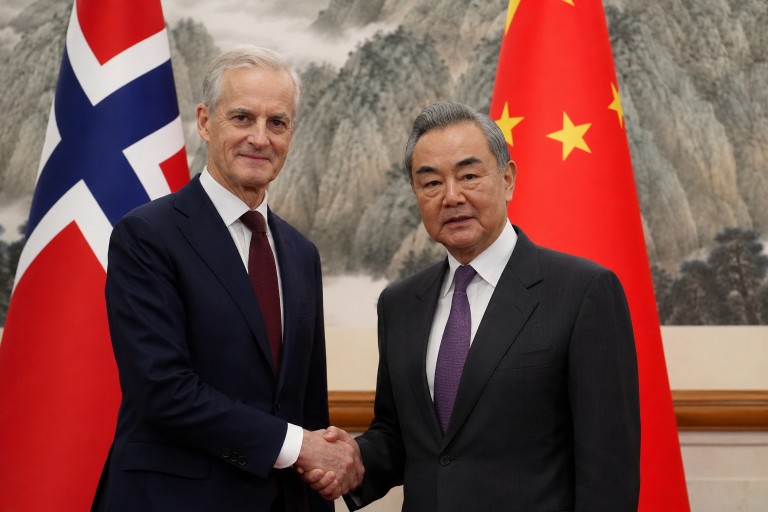
In a concerted effort to address the ongoing conflict in Ukraine, Nordic leaders have called upon China to leverage its diplomatic clout to help bring an end to Russia’s aggression. This appeal was made during a visit by Chinese Foreign Minister Wang Yi to several Nordic countries, including Denmark, Sweden, Finland, and Norway. In Oslo, Norwegian Prime Minister Jonas Gahr Støre emphasized the importance of China playing a role in supporting a ceasefire and fostering genuine peace negotiations. He expressed apprehension about China’s sustained economic interactions with Russia, particularly through the purchase of energy resources.
Norwegian Foreign Minister Espen Barth Eide highlighted the unified stance of the Nordic countries in urging China to encourage Russia to engage in talks without any preconditions. The discussions in Oslo weren’t limited to the Ukraine crisis; they also encompassed a broad range of topics such as trade relations, climate change collaboration, renewable energy initiatives, and Arctic affairs. The Norwegian delegation pointed out the necessity of collaborating with China on shared interests while simultaneously addressing concerns related to national security, cybersecurity, and human rights issues in regions like Xinjiang, Tibet, and Hong Kong.
Wang Yi’s five-day tour of the Nordic countries highlighted China’s growing interest in strengthening ties with the region amid shifting global geopolitical dynamics. This visit underscores China’s strategic engagement as international diplomacy continues to be influenced by the tensions surrounding the Ukraine conflict. The discussions aimed to find common ground in areas of mutual benefit while also confronting the challenges posed by China’s expanding influence, particularly in the Arctic region.
The meetings served as a platform for Nordic leaders to express both their willingness to cooperate with China on various fronts and their concerns about China’s policies and actions. The Nordic countries, known for their commitment to human rights and sustainable development, used this opportunity to discuss their apprehensions about Beijing’s activities and to seek greater alignment on critical global issues.