
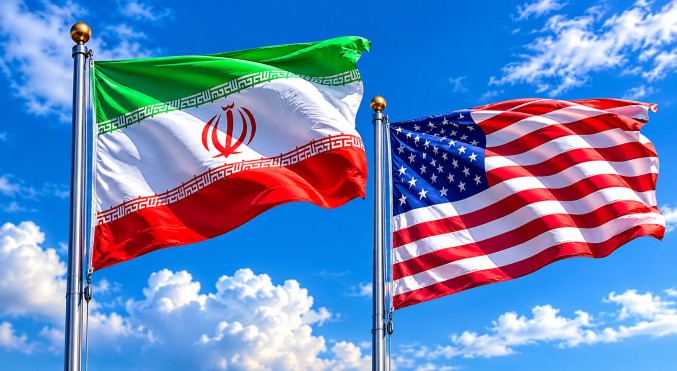
Amid heightened tensions over the potential for renewed American military strikes, Iran and the United States have reported incremental progress in their ongoing negotiations. Iranian officials have remarked that the gap between the two nations’ positions has been reduced recently, with current dialogues centering on achieving a broader ceasefire and de-escalating regional tensions. According to Esmail Baghaei, a spokesperson for the Foreign Ministry, the priority of these talks is to halt hostilities before addressing nuclear issues.
Similarly, U.S. Secretary of State Marco Rubio has recognized advancements in the discussions, noting that diplomatic efforts are actively continuing, with the possibility of further developments on the horizon. Washington remains firm in its stance that Iran must never acquire nuclear weapons and insists on assurances regarding uranium stockpiles and the reopening of the Strait of Hormuz.
In a strong statement, Iran’s parliament speaker, Mohammad Bagher Ghalibaf, cautioned that any new U.S. attacks would provoke a more robust Iranian counteraction. He also asserted that Iran has restored certain aspects of its military capabilities following weeks of conflict and a delicate ceasefire.
Pakistan continues to play a mediating role in the situation, with the country’s army chief engaging in talks with Iran’s leadership in Tehran. These discussions have been described as constructive, focusing on facilitating another round of direct negotiations between Tehran and Washington.
The diplomatic efforts are taking place against a backdrop of growing concerns about regional stability, the global energy supply, and the potential for further escalation in the Middle East. As both nations work towards a resolution, the international community watches closely, hoping for a peaceful outcome that ensures stability in the region.