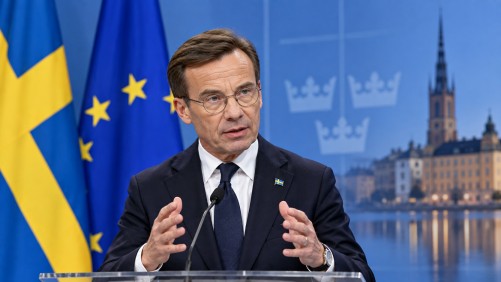
Sweden’s political landscape is set for change as the center-left opposition has gained a slight edge in the country’s general election, signaling a shift in governance. The Social Democrats, led by Magdalena Andersson, are poised to take the reins after securing a narrow majority over the right-leaning bloc that supported the outgoing Prime Minister Ulf Kristersson.
According to preliminary results, Andersson’s coalition garnered 176 seats in parliament, edging out Kristersson’s group by a mere three seats. This outcome suggests a call from the Swedish electorate for new policy directions, with Andersson emphasizing priorities in climate change, education, healthcare, elder care, and immigration as focal points for her potential administration.
As she steps into the negotiation phase, Andersson faces the challenge of aligning various opposition parties, including the Left, Centre, and Green parties, to form a stable government. However, significant differences in policy areas such as taxation, immigration, and climate initiatives could complicate these discussions.
Kristersson, who has led the country since 2022, formally resigned, prompting the parliamentary speaker to begin the process of establishing a new government framework. The Sweden Democrats, previously a significant supporter of Kristersson’s administration, saw a decline in their parliamentary standing, slipping from the second-largest party to third place.
In Sweden’s parliamentary system, minority governments are not uncommon and often rely on agreements with other parties to govern effectively. Andersson is expected to pursue a broad-based coalition to ensure the stability and functionality of her government moving forward.