
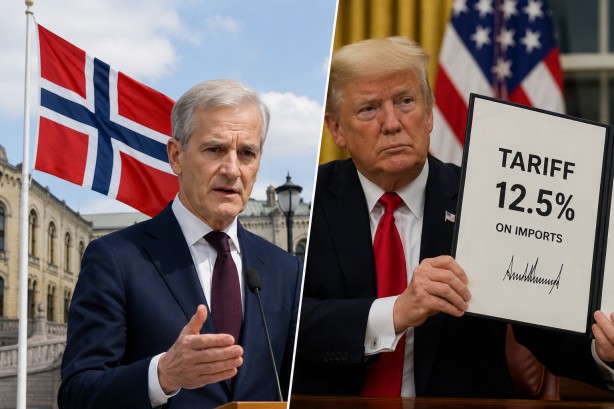
In a recent trade dispute, Norway has expressed strong disapproval of the United States’ decision to implement a 12.5% tariff on a wide range of Norwegian imports. This new tariff, which has been enforced immediately, targets key Norwegian exports, including seafood, furniture, and industrial goods. Norwegian officials have labeled the measure as both unfair and without justification.
The crux of the disagreement lies in the US’s allegation that Norway has not adequately prevented the import of goods tied to forced labor. Norway’s Foreign Minister, Espen Barth Eide, has rebuffed these claims, emphasizing that Norwegian legislation strictly forbids the production or import of goods made through forced or child labor. He confirmed that the Norwegian government has formally communicated its objections to US authorities regarding the tariff hike.
Adding to the controversy, Norway has raised concerns about being subjected to a steeper tariff than the European Union and the United Kingdom, which have received a 10% tariff. Despite the disparity, the Norwegian government has decided against responding with counter-tariffs. Officials argue that retaliatory measures would only serve to increase costs for Norwegian consumers, thereby exacerbating the situation.
Though the United States represents a relatively small portion of Norway’s export market, the newly imposed tariffs could still have a notable impact. Industry experts and government officials warn that the tariffs may lead to a reduction in seafood exports, potentially disrupting the balance of free trade principles. The situation underscores the ongoing complexities in international trade relations and the challenges countries face in navigating economic policies.