
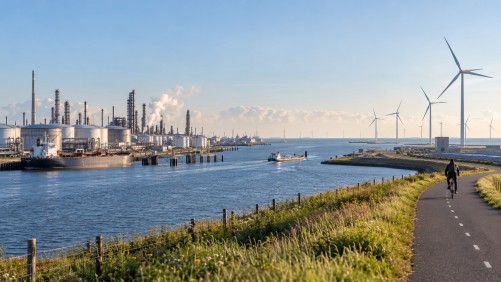
As nations worldwide intensify their efforts to curb fossil fuel dependence, the Netherlands has unveiled a comprehensive roadmap aimed at phasing out oil, gas, and coal. This announcement comes in the lead-up to the UN Climate Change Conference in Turkey this November. The Netherlands joins France as the second country to release such detailed plans, signaling its intention to contribute actively to global climate initiatives.
Central to the Dutch government’s strategy is the cessation of coal-fired power plants by 2030. However, the plan has faced criticism for lacking a definitive timeline for ending fossil fuel use entirely. While the roadmap is a significant step, it comes with adjustments to previous climate targets. The Netherlands has scaled back its offshore wind capacity goals and has moved away from its initial aim of a carbon-free electricity network by 2035.
Moreover, the country is unlikely to meet the ambitious European Union target of a 90% emissions reduction by 2040. This has drawn mixed reactions from climate experts and environmental campaigners. While the roadmap’s publication has been welcomed as a positive development for long-term energy transition, the absence of firm deadlines has left some environmentalists dissatisfied.
France, having published its roadmap earlier, has set clear targets: ending coal use by 2030, oil by 2045, and gas by 2050. The Dutch government asserts that their roadmap underscores a commitment to playing a proactive role in international climate change efforts. Despite the scaled-back ambitions, the Netherlands’ approach highlights the complexities many nations face in balancing environmental goals with practical energy policies.