
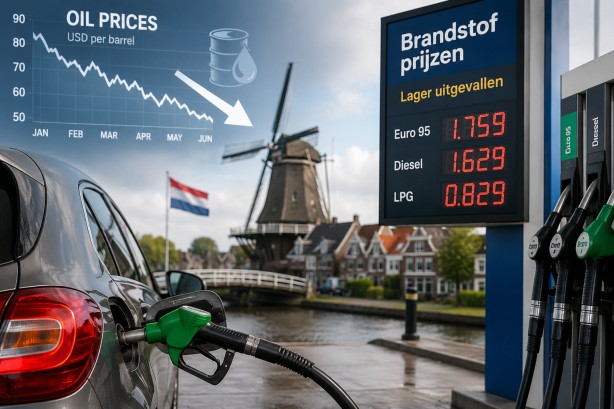
The recent decision by the United States and Iran to pause military actions has led to a significant drop in oil prices, which is likely to result in lower fuel costs for consumers in the Netherlands soon. Brent crude oil has decreased notably, falling from over €88 per barrel at the end of last week to just above €81. This decline is partly attributed to the strength of the euro, as oil transactions are conducted in US dollars, making European imports more affordable.
Notwithstanding the decline in crude oil prices, motorists in the Netherlands are still paying high prices at the pump. The advisory gasoline price remains at €2.634 per liter, which is just a shade below the peak price of €2.646 recorded earlier this year. This sustained high price at the pump is a consequence of the price hike that followed the escalation of conflict involving Iran in late February.
Market analysts suggest that the effect of lower oil prices will eventually be felt at fuel stations, although there is typically a delay between changes in global oil prices and adjustments in retail fuel costs. This lag means that consumers might not see immediate relief in their fuel expenses, but a gradual reduction is anticipated.
The fluctuation in global oil prices and currency exchange rates highlights the interconnected nature of international markets, where geopolitical events can have wide-ranging economic impacts. As European buyers benefit from a stronger euro, the hope is that the recent downward trend in oil prices will soon translate into tangible savings for drivers and businesses reliant on fuel.